

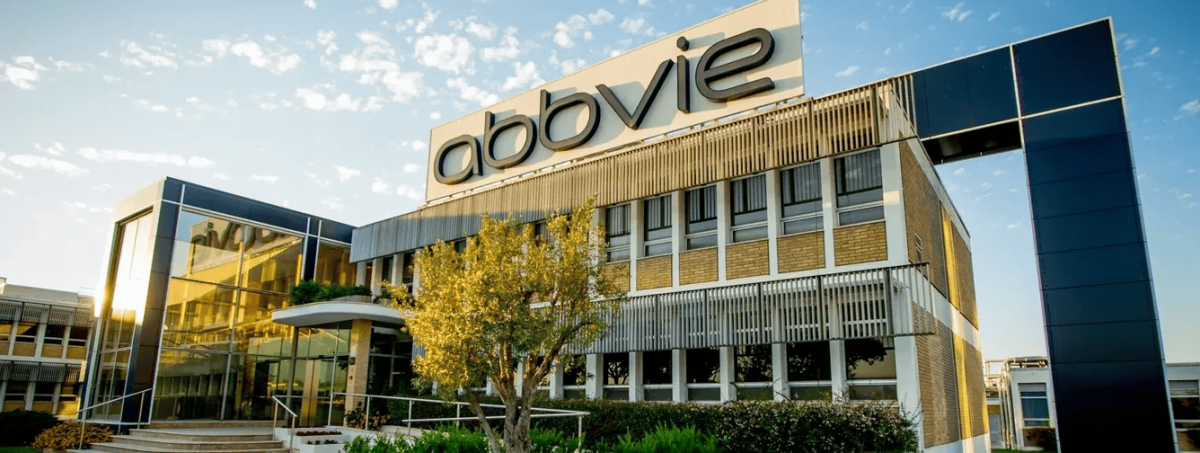
AbbVie's expansion of its Oxford research facility is strengthening the UK's pharmaceutical innovation base, bringing additional scientific capacity to one of Europe's established life sciences clusters. The new 12,000 sq ft site will support research across immunology, neuroscience and oncology, forming part of more than £120 million invested and committed by the company to UK research, academic collaboration and scientific talent development.
The expansion, announced on 4 November 2026, builds on AbbVie's acquisition of Oxford-founded biotechnology company DJS Antibodies in October 2022. As reported by Healthcare Digital, the facility will combine the specialist capabilities of the Oxford operation with the resources and expertise of AbbVie's worldwide R&D network.
The investment strengthens AbbVie's ability to investigate disease targets and combination therapies in areas where significant unmet medical needs remain. For pharmaceutical businesses, the development highlights the value of research environments that bring together specialist laboratories, experienced scientists and access to academic and clinical expertise. Oxford's established research community provides a setting for these relationships to develop, supporting collaboration between industry and institutions working to advance scientific understanding.
Academic partnerships are an important part of AbbVie's wider UK strategy. The company supports and engages with more than 100 universities and research organisations annually. Its collaboration with the University of Oxford examines how patients with certain inflammatory conditions respond to treatments at molecular and clinical levels, while a separate postdoctoral programme investigates the biological drivers of inflammatory diseases. These programmes provide opportunities to connect academic research with questions relevant to future drug discovery and development.
The expansion also builds on AbbVie's established UK workforce of more than 1,100 employees across Oxford, Maidenhead and Marlow. The company says the new site will significantly increase its research capabilities in the region. In comments included in its official announcement, Jon Sedgwick, senior vice-president and global head of discovery research, highlighted Oxford's combination of academic and clinical expertise and scientific talent as a central reason for the expansion.
For the wider life sciences supply chain, investment in specialist R&D infrastructure can support demand for laboratory equipment, technical services, research partnerships and highly skilled scientific talent. While AbbVie has not announced specific supplier contracts as part of this expansion, the development reinforces the importance of a strong network of research institutions, technology providers and specialist businesses around pharmaceutical operations.
The investment also adds to the UK's wider pharmaceutical research activity, alongside developments by companies such as AstraZeneca and GSK. Together, these projects demonstrate the continuing importance of research infrastructure and collaboration in maintaining the country's international life sciences capabilities.
For the sector, the lesson is direct: pharmaceutical innovation depends on more than individual research programmes. By combining specialist facilities, global R&D expertise and sustained academic collaboration, AbbVie is strengthening the foundations for future medicine development and reinforcing Oxford's contribution to the UK's life sciences economy.






















.png)

