


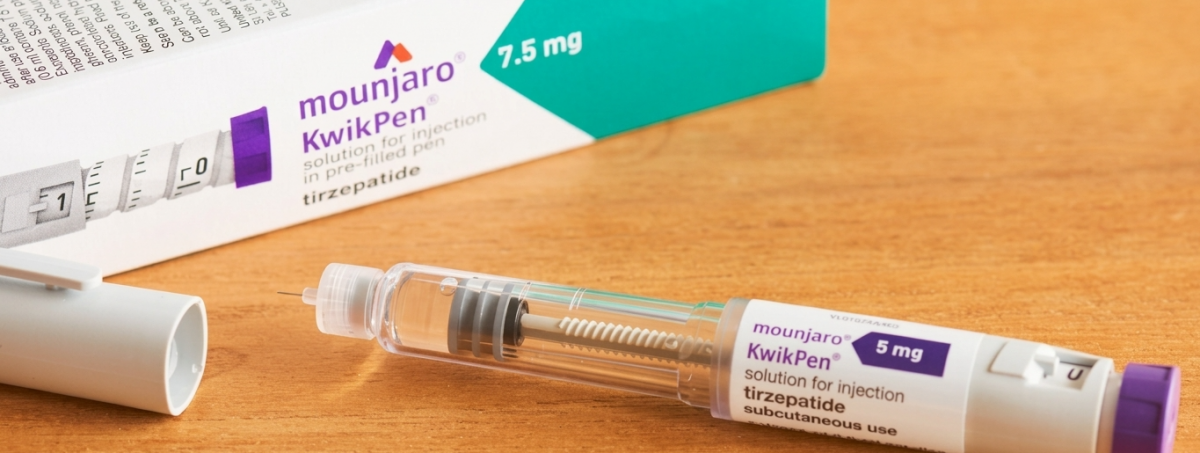
Ireland’s review of Mounjaro has brought pharmaceutical pricing and patient access into sharp focus. The HSE Drugs Group considered Eli Lilly’s tirzepatide on 13 October, but no recommendation has yet been made to HSE senior management, according to RTÉ News. The review marks an important stage in the process of bringing an innovative metabolic treatment closer to potential public reimbursement.
The commercial challenge is balancing clinical value with affordability at scale. The National Centre for Pharmacoeconomics recommended that Mounjaro be considered for reimbursement for weight management if its cost-effectiveness could be improved relative to existing treatments. As The Journal reported, Eli Lilly’s revised pricing offer has reopened the discussion, demonstrating how commercial negotiations can influence whether a medicine progresses from clinical promise to publicly funded access.
Mounjaro’s potential value extends beyond weight reduction. The medicine is authorised for type 2 diabetes and weight management in eligible patients, with clinical evidence supporting improvements in weight and several measures of metabolic health. For pharmaceutical companies, this creates an opportunity to demonstrate the value of treatments through a wider evidence base, while ensuring claims about long-term health benefits remain grounded in clinical data.
The next stage will depend on the HSE’s assessment of the evidence, negotiated price and potential budget impact. RTÉ reported that wider public availability could cost the State an estimated €2 billion to €3 billion annually. Any eventual reimbursement is likely to depend on eligibility criteria and how the treatment fits within Ireland’s wider healthcare priorities. The outcome will therefore be relevant not only to Eli Lilly, but also to other manufacturers seeking reimbursement for high-impact therapies.
Ireland’s Mounjaro review illustrates a central issue for pharmaceutical innovation: clinical advances create the greatest public value when healthcare systems can establish sustainable ways to fund access. For the sector, the lesson is direct: strong clinical evidence must be matched by credible pricing strategies and clear demonstrations of value if innovative medicines are to move from private availability towards broader patient access.
























.png)

