

Community pharmacies are playing an increasingly important role in delivering vaccination programmes as healthcare systems seek to improve access to preventative care and strengthen public health resilience.
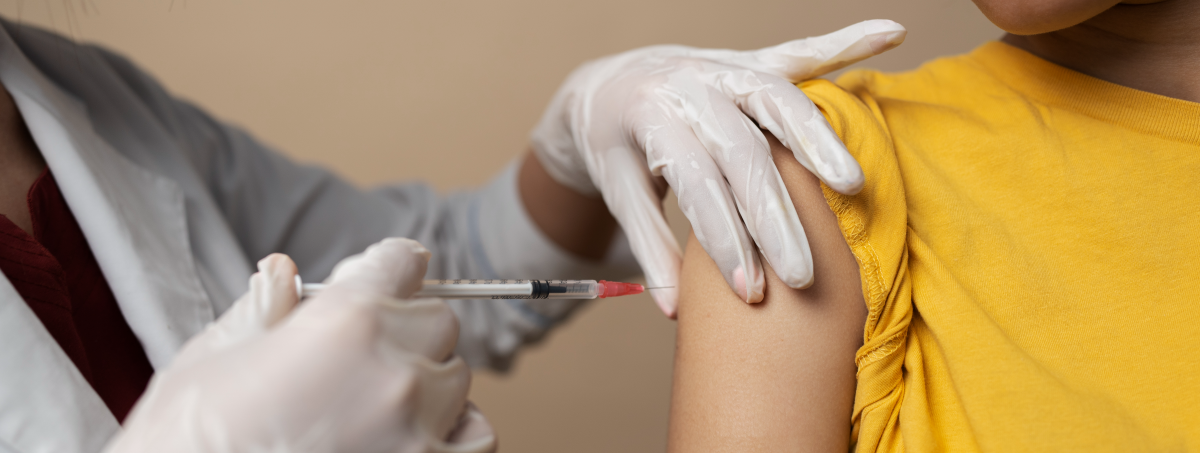
A new meningococcal B (MenB) vaccination programme will launch in Northern Ireland on 31 July, offering free vaccinations to eligible young people preparing to begin university or further education. The initiative, led by the Public Health Agency (PHA), will be delivered through GP practices and 30 participating community pharmacies across Northern Ireland. Eligible individuals will require two doses administered at least 28 days apart to achieve maximum protection against meningococcal B disease, which can cause life-threatening meningitis and septicaemia. The programme targets groups considered to be at increased risk as they enter shared educational environments where transmission is more likely.
The rollout reflects the growing role of community pharmacy in supporting national immunisation programmes and expanding access to preventative healthcare services. Community Pharmacy Northern Ireland (CPNI) welcomed the introduction of the programme while noting that limiting delivery to 30 pharmacies may reduce convenience for some eligible students. The organisation said wider participation across the community pharmacy network could provide greater flexibility and improve accessibility, particularly for students preparing to relocate for higher education. Similar pharmacy-led vaccination models have been adopted elsewhere in the UK as health systems continue to utilise community pharmacies to complement primary care services.
The programme also highlights the increasing importance of pharmacy commissioning in delivering public health objectives. As healthcare systems face growing demand for vaccination services, community pharmacies are being recognised for their accessibility, extended opening hours and ability to support large-scale immunisation campaigns. According to the Department of Health Northern Ireland and the Public Health Agency, vaccination remains one of the most effective measures for preventing serious infectious diseases and reducing pressure on healthcare services. Expanding delivery channels through primary care and community pharmacy can help improve vaccine uptake while increasing capacity across the healthcare system.
For the pharmaceutical sector, the programme demonstrates the continued evolution of vaccine delivery models beyond traditional clinical settings. Effective commissioning, coordinated healthcare partnerships and accessible delivery networks are becoming increasingly important in ensuring vaccination programmes reach eligible populations efficiently. As governments continue to strengthen preventative healthcare strategies, community pharmacies are expected to play an increasingly significant role in supporting immunisation, improving public health outcomes and enhancing resilience against vaccine-preventable diseases.
For the sector, the lesson is clear: successful vaccination programmes depend not only on the availability of effective vaccines but also on the delivery models that make them accessible. As community pharmacy services continue to expand, they are becoming an increasingly important component of national immunisation strategies and broader public health infrastructure.
Source: Pharmacy in Focus / Public Health Agency (Northern Ireland) / Department of Health Northern Ireland / Nidirect




















.png)

