

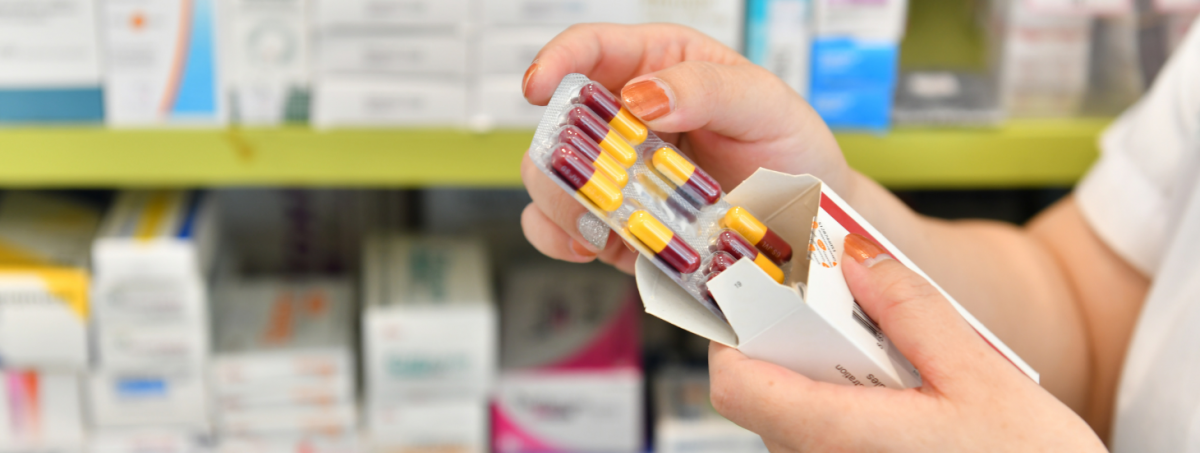
Ireland generates over €37.5 million of unused and out-of-date medicines every year, and new research has quantified that challenge for the first time. A study by Dr Aisling O’Leary and colleagues at the Royal College of Surgeons in Ireland, published in the Irish Journal of Medical Science in May 2026, estimated 29,000kg of unused or expired medicines from an audit of four Dublin community pharmacies. For pharmaceutical and health system leaders, the findings are a mandate to build infrastructure that converts waste into a managed system.
The study is the first empirical baseline of its kind in Ireland. A sector that dispenses billions of euros of medicines annually has lacked the data to quantify what returns to the waste stream. The research merits commendation: it establishes an evidence base for investment, identifies the clinical drivers of waste, and arrives as national disposal infrastructure is assembled.
The pattern of waste is instructive. Prescription medicines account for 90% of returned waste, with patient death the most common reason at 21%, followed by discontinued treatment at 13% and non-adherence at 12.5%. Pharmacies generate more than a quarter of total waste through blister pack amendments and expired stock. At €20.23 per item, each pharmacy generated waste of €1,512 over four audit weeks.
The policy response is moving. An agreement between the HSE, the Department of Health, and the Irish Pharmacy Union commits to a national Dispose of Unused Medicines Properly (DUMP) scheme, with government procurement underway. The Irish Times reported in March 2026 that a Waterford pilot returned 32,800 pills in a single campaign, showing demand for collection is immediate. Ireland’s 1,800 community pharmacies are the natural infrastructure, and with funding confirmed their capacity to absorb returned medicines is clear.
The environmental case reinforces the argument. A Dublin City University study found pharmaceuticals in the Liffey, Nore, Suir, and Annalee rivers. The European Commission updated its watchlist in early 2025 to include pharmaceuticals, and a new EU law requires quaternary water treatment in Irish legislation by mid-2027. The EPA AREST project produced national-level evidence of antimicrobial resistance in the Irish environment, with wastewater as a key pathway. Proper medicines disposal is a public health intervention, not convenience.
Three actions will consolidate Ireland’s progress. The HSE should publish full operational specifications of the DUMP scheme without delay, giving pharmacies certainty to commit staff time and capacity. Manufacturers should engage with the design to ensure packaging formats, particularly blister packs, are compatible with collection workflows. The Department of Health should incorporate medication waste targets into prescribing quality metrics in HSE reporting, connecting prescriber behaviour to the waste reduction goal.
The RCSI study delivers something Irish pharmaceutical policy has lacked: a quantified, peer-reviewed baseline from which to measure progress. The national DUMP scheme now in procurement is the primary instrument for reducing the €37.5 million annual waste figure, and the environmental and patient safety benefits will compound beyond the balance sheet. Ireland has the data, the commitment, and the network; it needs execution.
(The views expressed by the writer are his/her own and do not necessarily reflect the views or positions of BusinessRiver.)

















.png)

