



The Dutch pharmaceutical industry contributed an estimated €8.5 billion in gross added value to the national economy in 2024, according to new analysis published by the Dutch Association for Innovative Medicines, highlighting the sector's growing economic importance alongside its contribution to healthcare innovation.
As reported by Euractiv, the findings position the pharmaceutical industry as a significant economic driver, with the report arguing that the sector should be viewed not only through healthcare expenditure but also through its wider contribution to employment, manufacturing, research and long-term economic growth.
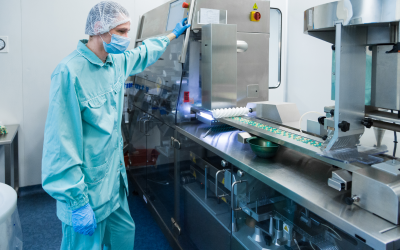
The report estimates that more than 46,000 people are employed across the Dutch pharmaceutical sector and its wider supply chain, including around 20,000 directly employed by pharmaceutical companies. Of these, approximately 10,400 work in pharmaceutical manufacturing, underlining the industry's continued importance to advanced industrial production.
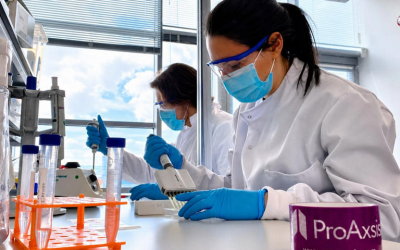
Clinical research also represents a major contributor to the sector's economic impact. According to the report, industry-sponsored clinical studies generate more than €1.2 billion in gross added value, supporting around 1,200 jobs while creating investment in research infrastructure, specialist staff and healthcare facilities.
Beyond direct economic activity, the report highlights the wider societal benefits of clinical research. It estimates that earlier access to innovative medicines through clinical trials helps reduce sickness absence, contributing approximately €723.3 million in productivity gains by preventing around 1.6 million days of sick leave. Across the European Economic Area, industry-sponsored clinical research is estimated to have prevented almost 27 million sick days.
The analysis also examines Europe's competitive position within the global pharmaceutical industry. While the Netherlands remains an important manufacturing and research hub, economists argue that greater investment, stronger access to growth capital and more harmonised European regulation will be needed if Europe is to compete with rapidly expanding pharmaceutical innovation ecosystems elsewhere.
The report notes that the Netherlands recorded pharmaceutical production valued at €7.3 billion, ranking it 12th in Europe behind larger manufacturing centres including Ireland, Belgium and Switzerland. It also points to the country's positive pharmaceutical trade balance, supported by both domestic manufacturing and its role as a major European logistics hub.
The findings contribute to the wider discussion on the future of pharmaceutical innovation in Europe, where governments and industry continue to balance healthcare affordability with investment in research, manufacturing capacity and the development of new medicines. As competition for pharmaceutical investment intensifies globally, the report argues that strengthening innovation ecosystems and supporting clinical research will remain essential to maintaining Europe's position within the life sciences sector.












.png)

