


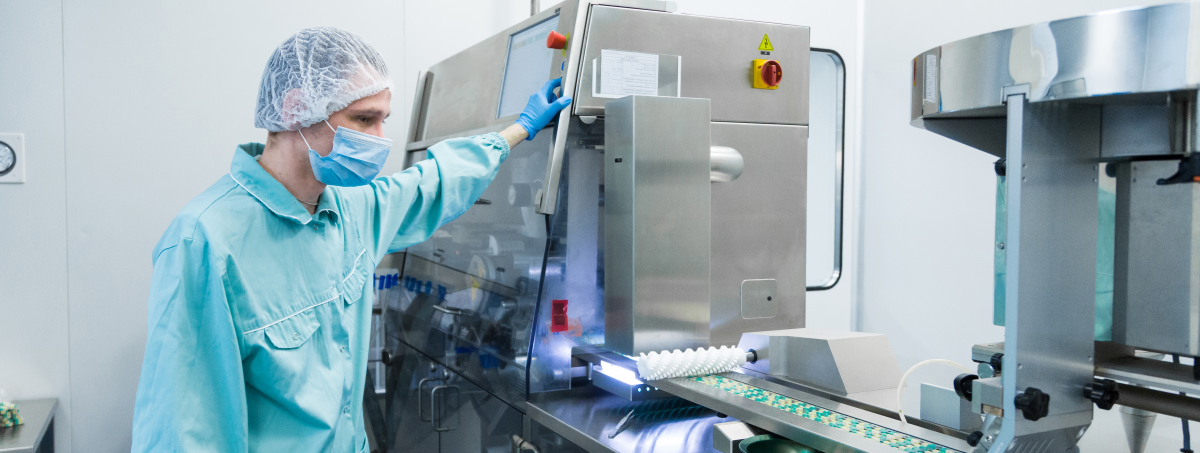
Some industries define a country's economic identity quietly, through decades of sustained investment, skilled workforce development, and consistent delivery. Life sciences Ireland is one of them, and a new benchmark from the Association of the British Pharmaceutical Industry makes the right moment to say so clearly. The ABPI's updated Pharmaceutical Impact Map, launched on 14 July 2026, documents the contribution of pharmaceutical companies across all four UK nations, covering 125,702 jobs, £20.4 billion in gross value added, and 186 manufacturing sites. It is a powerful piece of sector advocacy, and it serves as a mirror for Ireland, reflecting back an even more concentrated story of pharmaceutical leadership, pharmaceutical innovation, and community-level economic contribution that deserves equal visibility.
The numbers behind Ireland's pharmaceutical sector are, by any global comparison, exceptional. The Goodbody Economic Report for IPHA published in March 2026 confirms that pharma exports reached €139 billion in 2025, representing 53% of all Irish goods exports, the highest share on record, with 75,000 workers employed directly and indirectly across pharmaceutical manufacturing and related activities. Ireland is now the EU's second largest pharmaceutical exporter and hosts more FDA-registered drug manufacturing sites per capita than any other country in Europe. The sector paid an estimated €6 billion in total taxes in 2023, growing three times faster than the wider Irish labour market and contributing an estimated 18% of all corporation tax receipts. These are not abstract economic statistics. They are the result of decades of pharmaceutical leadership, sustained research and development investment, and a skilled workforce that has made Ireland the natural home for global biopharma.
The pipeline ahead is equally encouraging. Ireland's biopharma industry is forecast to add 21,000 jobs by 2027, with record investment in 2024 seeing the sector raise €491.3 million across 89 venture capital deals, fuelling biotechnology innovation, drug development, and capacity expansion across emerging regional clusters beyond traditional hubs. IDA Ireland's Adapt Intelligently strategy for 2025 to 2029 places biopharmaceutical manufacturing, advanced therapeutics, and medicines innovation at the centre of its foreign direct investment priorities, supported by institutions including NIBRT, which provides the specialised bioprocessing training that sustains Ireland's world-class regulatory affairs and quality assurance standards.
Three opportunities would allow Ireland to build on this moment of positive momentum. First, the Irish Pharmaceutical Healthcare Association should develop an interactive impact map equivalent to the ABPI's, enabling pharmaceutical companies and policymakers to visualise life sciences Ireland's contribution at county level, making visible the sector's reach into communities well beyond traditional Cork, Dublin, and Galway clusters. Second, Ireland's EU Presidency term, running until December 2026, offers a direct platform to present Ireland's biologics and pharmaceutical manufacturing credentials as a model for European supply chain resilience, connecting the sector's economic contribution data to the Critical Medicines Act's strategic autonomy objectives in a way that positions Irish pharmaceutical companies as solution providers rather than simply beneficiaries of favourable policy. Third, Enterprise Ireland and IDA Ireland should jointly develop a sector communications framework that translates Ireland's world-leading pharmaceutical manufacturing statistics into the community-level narratives the ABPI map demonstrates are most effective at sustaining public understanding and political support for continued life sciences investment.
Ireland's pharmaceutical sector has reached record levels of employment, output, exports, and tax contribution. The task now is ensuring that achievement is as visible to the communities it serves as it is to the investors and policymakers who have helped build it.
(The views expressed by the writer are his/her own and do not necessarily reflect the views or positions of BusinessRiver.)






















.png)

